9 Cross-Curricular Strategies for K-8 Classrooms

Last Updated: November 11, 2026
Quick Summary
The best cross-curricular strategies for K-8 classrooms connect two or more subjects around one shared story, theme or question, so students practice reading, science, history and writing in a single lesson. Start with one grade band and one story, and test a single integrated lesson before expanding.
- Build each integrated lesson around one shared story, theme or question that the class already engages with.
- Write one objective per subject, then design a single shared task that serves both.
- Use one concrete exit question that checks both subject objectives in writing.
- Map one piece of visible evidence to each standard so alignment is clear on paper.
- Begin with one integrated unit per term, since integrated planning takes more upfront effort.
Table of Contents
- What Cross-Curricular Teaching Means for K-8 Classrooms
- Why Connecting Subjects Improves Engagement and Deeper Learning
- Cross-Curricular Examples for Grades K-2, 3-5 and 6-8
- A Cross-Curricular Planning Template You Can Use This Week
- Cross-Curricular Lesson Plans Ready to Teach
- Cross-Curricular Project Ideas for Long-Term Units
- Keeping Standards Aligned and Assessments Manageable
- Start Your First Cross-Curricular Story Lesson with Capite Universe
- Frequently Asked Questions
What Cross-Curricular Teaching Means for K-8 Classrooms
Cross-curricular teaching connects two or more subject areas around one shared theme, question or story, and these cross-curricular strategies let students practice reading, science, history and writing in the same lesson. For a K-8 teacher with limited planning time, that is often the fastest way to cover more standards without adding more hours. Capite Universe builds its story-driven lessons around exactly this idea, pairing narrative with reading, critical thinking and creativity for children ages 6-14.
The strategies below are grouped so you can start small. Pick one grade band, choose one story or theme, and test a single cross-curricular lesson before expanding.
Why Connecting Subjects Improves Engagement and Deeper Learning
When students see how a science fact connects to a story they already care about, they tend to stay with the material longer. Integration is usually best built gradually rather than all at once, since it takes time for teachers to adjust how they plan and teach.
Engagement is only part of the case. Integrated lessons ask students to transfer knowledge between subjects, which supports deeper understanding. A reader who meets the word "ecosystem" in a story, then sees it in a science diagram, has two reasons to remember it.
Expect a learning curve. Integrated planning takes more upfront effort than a single-subject unit, so most teachers do best by introducing cross-curricular strategies with one integrated unit per term.
Cross-Curricular Examples for Grades K-2, 3-5 and 6-8
Good cross-curricular examples start with a story or topic the class already engages with and ask which other subjects it naturally touches. The grade band changes the depth of each subject objective, the length of the task, and the amount of scaffolding, but the underlying structure stays the same: one shared anchor, two or more subject objectives, one task that serves both.

Use the three examples below as models. Each one lists the objectives, materials, approximate timing, core steps, and a simple assessment so you can adapt it directly.
Grades K-2: A Forest Habitat Story Across Science, Math and Reading
Objectives: Students will name three forest animals and their habitats (science). Students will count and compare groups of up to 10 objects (math). Students will retell a story's beginning, middle and end in order (reading).
Materials: A picture book about forest animals, cards with animal pictures, a habitat sorting mat with two or three labeled areas (tree, ground, water), counters.
Timing: Two 15-20 minute blocks on separate days.
Steps: Read the book aloud and pause to name each animal. Students sort the animal cards onto the habitat mat, then count how many animals live in each habitat and compare the groups using more and fewer. On day two, students use three picture cards to retell the story in order, placing them left to right.
Assessment: Observe each student's sorting accuracy and ask one question per subject: 'Where does the owl live?' (science), 'Which habitat has more animals?' (math), 'What happened first?' (reading).
For younger learners who are still building letter recognition, have students point to pictures rather than read captions, and offer picture-based sequencing cards instead of written retelling.
Grades 3-5: A Local History Research Unit Across Social Studies, Reading and Writing
Objectives: Students will identify two causes and two effects of a historical event (social studies). Students will locate main ideas and supporting details in a nonfiction text (reading). Students will write a three-paragraph summary using topic sentences and evidence (writing).
Materials: Two or three short nonfiction passages about one historical event or figure, a graphic organizer with columns for cause, effect and evidence, lined paper.
Timing: Four to five 30-minute sessions across a week.
Steps: Students read the first passage and complete the cause-and-effect organizer, marking the sentence that supports each entry. In the next session, they read the second passage, identify the main idea of each paragraph, and add any new causes or effects.
Assessment: Score the graphic organizer for accuracy and the summary for the presence of a clear topic sentence and at least one cited detail per body paragraph.
Students who struggle with the reading level can work from a shortened passage, with the organizer pre-filled for one cause, while students who finish early can compare the two passages and note where the sources disagree.
Grades 6-8: A Primary Source Argument Across History, Reading and Writing
Objectives: Students will evaluate the credibility of a primary source by identifying its author, date and purpose (social studies). Students will identify a claim and its supporting evidence in an argumentative text (reading).
Materials: Two primary source excerpts on the same event that present different perspectives, a source analysis worksheet, an argument paragraph frame.
Timing: Three 45-minute class periods plus one homework session.
Steps: Students complete the source analysis worksheet for each document, noting author, date, intended audience and purpose.
Assessment: Use a four-point rubric covering source analysis accuracy, claim identification, use of at least two pieces of cited evidence, and the clarity of the reasoning sentence.
For advanced learners, add a third source that contradicts both and ask students to revise their claim.
Watch out: Primary sources often use older vocabulary or spelling. Preview each excerpt for words that would block comprehension and add a short glossary, or the history objective will be lost in decoding.
Do this today: Choose one of the three models above that matches your grade band, and write its objectives on a sticky note before you plan anything else.
A Cross-Curricular Planning Template You Can Use This Week
Use this template to plan one integrated lesson in about 30 minutes:
Theme or story: ___________ Subject 1 objective: ___________ Subject 2 objective: ___________ Shared activity (one task that serves both): ___________ Exit question students answer in writing: ___________ Materials: ___________
Fill in the theme first, then write one objective per subject, then design the shared activity. For a ready-made approach to integrating digital stories into existing lesson plans, use this template with the story you already teach. Keep the exit question concrete so you can check whether both objectives were met.
Cross-Curricular Lesson Plans Ready to Teach
If you want ready-made material, several Capite Universe lessons work well as cross-curricular units:
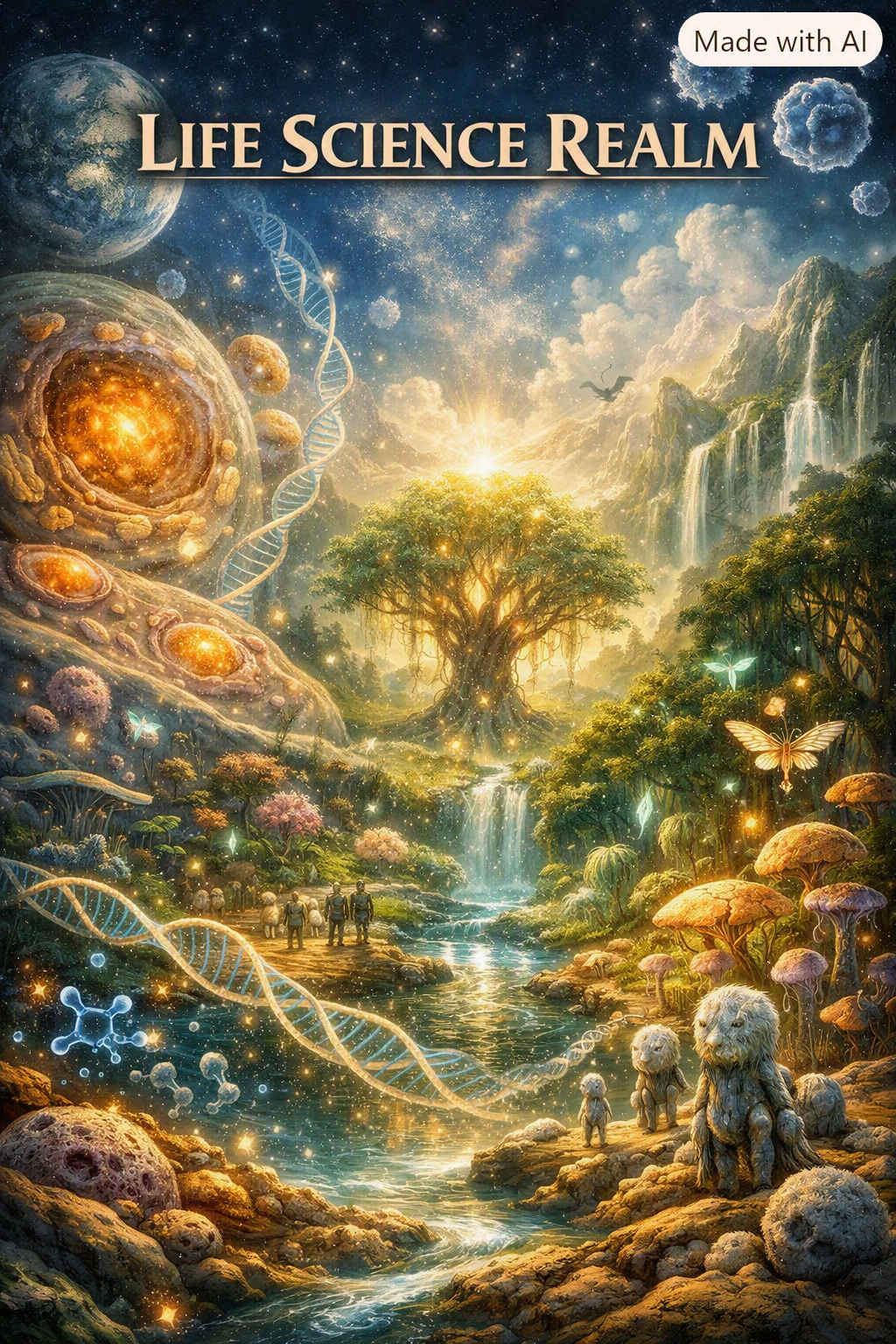
- Lifeweaver: The Realm of Life Science - Lesson 1 A ($4.99): a science-and-reading unit that introduces interdependence in living systems through a mythic guide.
- Amelia Earhart Life Story - Lesson 1 A ($4.99): a history lesson that pairs biography with reading and writing about courage and aviation.
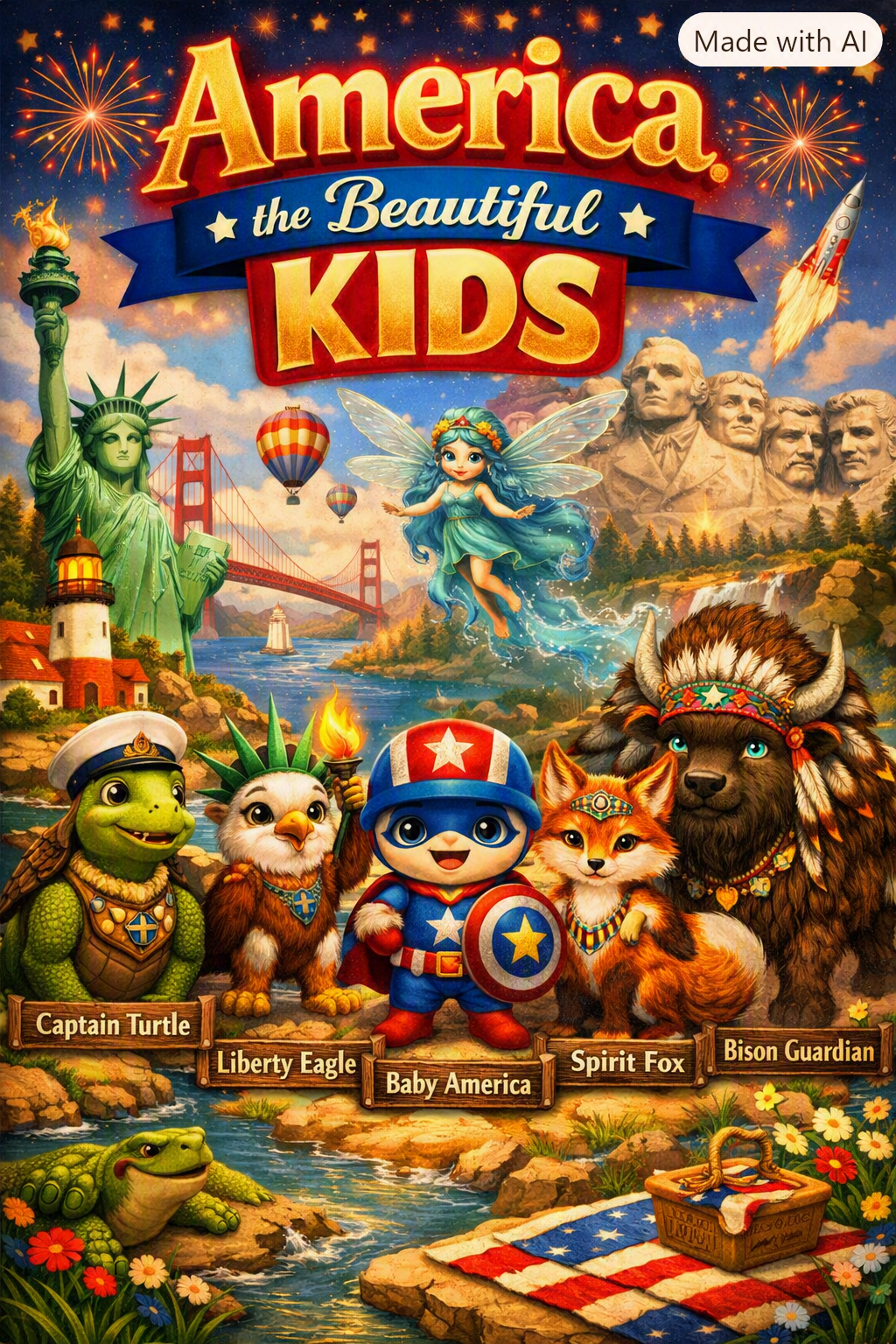
- America The Beautiful Kids - Lesson 1 B ($4.99): a story-based history lesson on early voyages, suited to combining social studies with reading response.
Each lesson is a digital download. Preview one before assigning it to confirm it fits your grade band.

Cross-Curricular Project Ideas for Long-Term Units
For a multi-week unit, choose a theme that can support a final product. Some workable options:
- Map-making unit: students read a story about a journey, plot the route on a map (geography), calculate distances (math), and write a travel log (writing).
- Ecosystem project: students study a habitat in science, read a related story, and build a small poster or model explaining one food chain.
- Historical figure portfolio: students read a biography, research the era, and present a short oral report with a timeline.
Harvard Data Science Review article on data literacy in K-12 education discusses why building analytical skills across subjects is a useful long-term goal, and a multi-week project is a practical way to do that.
For planning a history unit across several grade levels, see our guide to teaching history to multiple grade levels at once.
Keeping Standards Aligned and Assessments Manageable
Cross-curricular units only count if you can show that students met the standards for each subject, not just that the lesson was engaging.
Step 1: Pull the codes first. Find the grade-level standard codes for each subject you are combining.
Step 2: Map one piece of evidence per standard. For a grade 4 unit linking science and writing, a standard in science might be met by a labeled diagram of an ecosystem, and a writing standard by a three-paragraph explanation of one food chain. If a standard has no evidence in the unit, either add a task or note it as covered in a later lesson.
Step 3: Use one exit question to check two subjects. A question such as 'Name one producer in the forest and explain how a rabbit depends on it' checks science content and written explanation at the same time. Score it on two short scales, one for each standard, so the result tells you which objective needs reteaching.
Step 4: Keep the assessment load light. For a week-long unit, one written product and one observation checklist are usually enough.
Watch out: Teachers sometimes count a shared project as evidence for both subjects when the rubric only scores one of them. Check that each standard has its own scored criterion before you conclude that it was met.
If you are working inside a fixed curriculum, map the integrated lesson onto the existing unit it replaces rather than adding it on top. That keeps your pacing guide and reporting intact.
Do this today: Write the standard codes for two subjects next to the objectives for your next lesson, and circle any standard that has no matching task.
The table below summarises the four steps for keeping an integrated unit aligned to standards and manageable to assess.
| Step | What to do | Time or frequency |
|---|---|---|
| 1. Pull the codes first | Find grade-level standard codes for each subject and write them next to objectives | Before planning |
| 2. Map one piece of evidence per standard | Match each standard to a visible task; add a task or note it if none exists | During planning |
| 3. Use one exit question | One question checks two subjects; score each on its own scale | Each lesson |
| 4. Keep the load light | One written product and one observation checklist for a week-long unit | Each unit |
Start Your First Cross-Curricular Story Lesson with Capite Universe
Choose one grade band, pick a single story or theme, and test one integrated lesson this week. If you want a ready-to-teach starting point, the Capite Universe library includes story-driven lessons built for ages 6-14, with instant digital delivery and a structure teachers can adapt. Shop with Us to find the lesson that fits your next unit.
Frequently Asked Questions
Can you give me an example of cross-curricular teaching?
A third-grade class reads a story about a family farm, then measures how much water different plants need, writes a short journal entry from a seed's point of view, and graphs their results. Reading, science, writing and math all work on one shared question. You can start with a single picture book and one measurable activity, then add a writing task once students are comfortable with the connection.
What is the difference between cross-curricular and interdisciplinary teaching?
The terms overlap, and many teachers use them interchangeably. Cross-curricular teaching usually means a lesson touches more than one subject while each subject keeps its own objectives. Interdisciplinary teaching goes further by blending subjects around a single concept, so students work across disciplines to answer one question. For a first attempt, a cross-curricular lesson with clear objectives in each subject is a practical starting point.
How do you plan a cross-curricular lesson?
Start by choosing a shared theme or real-world problem, then list the learning objectives from each subject that the theme can support. Pick one anchor text or activity, plan two or three tasks that draw on different subjects, and decide how you will assess each objective separately. Use the planning template in this article to keep each step visible. Plan with a grade-level colleague if you can, since shared planning cuts preparation time.
How can storytelling connect subjects in a K-8 classroom?
A story gives every subject a common setting and characters. In a Capite Universe story-driven lesson, for example, students might follow a character through a journey that requires reading comprehension, basic geography and simple problem solving.


